
Our People
Principal Investigator
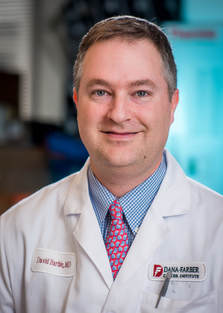
David A. Barbie, M.D.
Dr. David A. Barbie is an Associate Professor of Medicine at Harvard Medical School and the Lowe Center for Thoracic Oncology, and Associate Director of the Robert and Renée Belfer Center for Applied Cancer Science. He obtained an A.B. from Harvard College in 1997 and M.D. from Harvard Medical School in 2002. Dr. Barbie was an HHMI Medical Fellow from 1999-2000 between his 2nd and 3rd years of medical school, working in Dr. Ed Harlow’s lab at Massachusetts General Hospital. He completed his residency in internal medicine at Massachusetts General Hospital in 2005, followed by a year as medical chief resident in 2006. Dr. Barbie was a medical oncology fellow in the Dana-Farber/Partners CancerCare program, which he completed in 2008. Following a post-doctoral fellowship in Dr. William Hahn’s lab at the Broad Institute, he received a tenure-track independent investigator position in 2010 at Dana-Farber, and a clinical position within the Lowe Center for Thoracic Oncology. He has received numerous awards, including young investigator awards from ASCO and ASCI, becoming a key opinion leader in the emerging field of innate antitumor immunity. He promotes a collaborative and open research environment with a diverse group of clinicians and scientists including biologists, biochemists, immunologists, engineers, pathologists and oncologists from around the world.
Dr. David A. Barbie is an Associate Professor of Medicine at Harvard Medical School and the Lowe Center for Thoracic Oncology, and Associate Director of the Robert and Renée Belfer Center for Applied Cancer Science. He obtained an A.B. from Harvard College in 1997 and M.D. from Harvard Medical School in 2002. Dr. Barbie was an HHMI Medical Fellow from 1999-2000 between his 2nd and 3rd years of medical school, working in Dr. Ed Harlow’s lab at Massachusetts General Hospital. He completed his residency in internal medicine at Massachusetts General Hospital in 2005, followed by a year as medical chief resident in 2006. Dr. Barbie was a medical oncology fellow in the Dana-Farber/Partners CancerCare program, which he completed in 2008. Following a post-doctoral fellowship in Dr. William Hahn’s lab at the Broad Institute, he received a tenure-track independent investigator position in 2010 at Dana-Farber, and a clinical position within the Lowe Center for Thoracic Oncology. He has received numerous awards, including young investigator awards from ASCO and ASCI, becoming a key opinion leader in the emerging field of innate antitumor immunity. He promotes a collaborative and open research environment with a diverse group of clinicians and scientists including biologists, biochemists, immunologists, engineers, pathologists and oncologists from around the world.
Postdoctoral Fellows
Elliot Brea, M.D., Ph.D.
I earned my MD and PhD at Weill Cornell Medical College where I did my graduate work in David Scheinberg’s lab at Sloan-Kettering Institute investigating regulators of MHC-I and antigen presentation in tumors, along with development of TCR mimetic antibodies. I then did my residency at Brigham and Women’s Hospital and am currently a hematology/oncology fellow at Dana-Farber Cancer Institute. I am interested in developing CAR-T for lung cancer and other solid tumors along with strategies to identify novel targets for solid tumor CAR-T therapy and am doing a joint project between the Barbie lab and Eric Smith lab at DFCI. I hope to leverage single cell RNA seq as well to identify novel targets in patients who have progressed after first line TKI.
I earned my MD and PhD at Weill Cornell Medical College where I did my graduate work in David Scheinberg’s lab at Sloan-Kettering Institute investigating regulators of MHC-I and antigen presentation in tumors, along with development of TCR mimetic antibodies. I then did my residency at Brigham and Women’s Hospital and am currently a hematology/oncology fellow at Dana-Farber Cancer Institute. I am interested in developing CAR-T for lung cancer and other solid tumors along with strategies to identify novel targets for solid tumor CAR-T therapy and am doing a joint project between the Barbie lab and Eric Smith lab at DFCI. I hope to leverage single cell RNA seq as well to identify novel targets in patients who have progressed after first line TKI.
Marco Campisi, Ph.D.
I received my undergraduate and masters degrees in Biomedical Engineering from Politecnico di Torino (Polito) in Italy, followed by a Ph.D for a joint project between Polito, MIT, and DFCI. My current projects in the lab focus on developing physiologically relevant 3-D vascularized cancer models using microfluidic devices to study the biological interactions between endothelial cells and cancer spheroids, and the mechanisms of immune cell infiltration into the tumor microenvironment. I am also interested in developing polymer nanoparticles as carriers for immunotherapies and cancer treatments.
I received my undergraduate and masters degrees in Biomedical Engineering from Politecnico di Torino (Polito) in Italy, followed by a Ph.D for a joint project between Polito, MIT, and DFCI. My current projects in the lab focus on developing physiologically relevant 3-D vascularized cancer models using microfluidic devices to study the biological interactions between endothelial cells and cancer spheroids, and the mechanisms of immune cell infiltration into the tumor microenvironment. I am also interested in developing polymer nanoparticles as carriers for immunotherapies and cancer treatments.
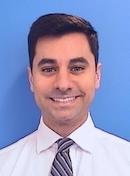
Patrick Gedeon, M.D., Ph.D.
Dr. Gedeon’s interest is in translational research toward advancing care for patients with thoracic cancers. He graduated from Johns Hopkins University and the Medical Scientist Training Program (MD/PhD) at Duke University where he created an immunotherapeutic antibody that is currently under clinical investigation. Dr. Gedeon is in the Thoracic Surgery Residency Program at Brigham and Women’s Hospital, cares for patients at the Dana-Farber Brigham Cancer Center, and is a post-doctoral research fellow in Dr. Barbie’s laboratory. His current research focuses on methods to prime innate immunity, create neoantigens, and drive safe and effective immune responses against lung cancer.
Dr. Gedeon’s interest is in translational research toward advancing care for patients with thoracic cancers. He graduated from Johns Hopkins University and the Medical Scientist Training Program (MD/PhD) at Duke University where he created an immunotherapeutic antibody that is currently under clinical investigation. Dr. Gedeon is in the Thoracic Surgery Residency Program at Brigham and Women’s Hospital, cares for patients at the Dana-Farber Brigham Cancer Center, and is a post-doctoral research fellow in Dr. Barbie’s laboratory. His current research focuses on methods to prime innate immunity, create neoantigens, and drive safe and effective immune responses against lung cancer.
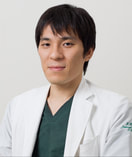
Koji Haratani, M.D., Ph.D.
I am a medical oncologist, and also completed a research fellowship in Japan. I have conducted prospective/retrospective clinical research, translational research using tumor tissue and blood samples from oncology clinics, and laboratory-based experimental research. I am happy here to be trained as physician-scientist. My current interest is to evaluate how multiple immune cell compartments are regulated to localize and function in the tumors. Also, my main project is to develop novel strategies to induce both innate and adaptive immunity against malignant cells by manipulating their own intrinsic mechanisms.
I am a medical oncologist, and also completed a research fellowship in Japan. I have conducted prospective/retrospective clinical research, translational research using tumor tissue and blood samples from oncology clinics, and laboratory-based experimental research. I am happy here to be trained as physician-scientist. My current interest is to evaluate how multiple immune cell compartments are regulated to localize and function in the tumors. Also, my main project is to develop novel strategies to induce both innate and adaptive immunity against malignant cells by manipulating their own intrinsic mechanisms.
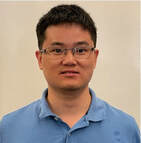
Zehua Li, Ph.D.
I received my PhD from Peking University through the PTN (Peking University- Tsinghua University-National Institute of Biological Sciences) program. I worked on the molecular mechanisms controlling natural killer (NK) cell development and functions using genetic mouse models. After one year of post-doc experience at the Ragon Institute of MGH, I joined Ravi Uppaluri’s lab in December 2021 and conducted a collaborative project with Dr. David Barbie's lab. My current research interest focuses on mimicking the in vivo immune and drug response through the Patient-, Xenograft-, and Murine-Derived Organotypic Tumor Spheroids (DOTS) assay that was developed in Dr. David Barbie's lab and Belfer Center, as well as investigating new therapeutic approaches for head and neck squamous cell carcinomas (HNSCCs) by enhancing the cGAS-STING signaling in the tumor microenvironments.
I received my PhD from Peking University through the PTN (Peking University- Tsinghua University-National Institute of Biological Sciences) program. I worked on the molecular mechanisms controlling natural killer (NK) cell development and functions using genetic mouse models. After one year of post-doc experience at the Ragon Institute of MGH, I joined Ravi Uppaluri’s lab in December 2021 and conducted a collaborative project with Dr. David Barbie's lab. My current research interest focuses on mimicking the in vivo immune and drug response through the Patient-, Xenograft-, and Murine-Derived Organotypic Tumor Spheroids (DOTS) assay that was developed in Dr. David Barbie's lab and Belfer Center, as well as investigating new therapeutic approaches for head and neck squamous cell carcinomas (HNSCCs) by enhancing the cGAS-STING signaling in the tumor microenvironments.
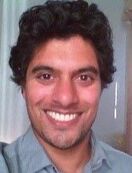
Navin Mahadevan, M.D., Ph.D.
I am an instructor in pathology at Harvard Medical School and Brigham and Women's Hospital. I completed my MD and PhD at the University of California, San Diego, followed by pathology residency at Brigham and Women’s Hospital and fellowship in Molecular Pathology. My interest is the generation of immune responses in solid (lung) tumor microenvironments. I use cell lines, patient samples, and ex vivo models of lung cancer tumors to understand the tumor cell-intrinsic and extrinsic regulation of immune responses, with emphasis on myeloid antigen presenting cell and T cell interactions. I am also interested in clinically applicable molecular, immune, and histologic/immunohistochemical characterization of solid tumors and their microenvironments.
I am an instructor in pathology at Harvard Medical School and Brigham and Women's Hospital. I completed my MD and PhD at the University of California, San Diego, followed by pathology residency at Brigham and Women’s Hospital and fellowship in Molecular Pathology. My interest is the generation of immune responses in solid (lung) tumor microenvironments. I use cell lines, patient samples, and ex vivo models of lung cancer tumors to understand the tumor cell-intrinsic and extrinsic regulation of immune responses, with emphasis on myeloid antigen presenting cell and T cell interactions. I am also interested in clinically applicable molecular, immune, and histologic/immunohistochemical characterization of solid tumors and their microenvironments.
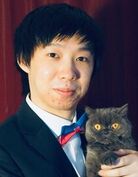
Chi-Yuan (Nesta) Zhang, PhD
I earned my PhD degree in 2018 at the Shanghai Institutes for Biological Sciences, Chinese Academy of Sciences, where I used zebrafish model to study the role of TGFβ signaling in the development of nascent hematopoietic stem cells. I then joined Dana-Farber as my first-round post-doc training to develop novel CRISPR-based gene therapies of Shwachman-Diamond Syndrome, a fatal inherited bone marrow failure syndrome. I started a joint project between the Barbie lab and Eric Smith Lab in 2023 to develop new CAR-T to be tolerant to the chemotherapy. In my free time, I like playing basketball but watching soccer. I am a fan of Boston Celtics and Kevin Garnett but unfortunately has never watched my idol playing in TD Garden.
I earned my PhD degree in 2018 at the Shanghai Institutes for Biological Sciences, Chinese Academy of Sciences, where I used zebrafish model to study the role of TGFβ signaling in the development of nascent hematopoietic stem cells. I then joined Dana-Farber as my first-round post-doc training to develop novel CRISPR-based gene therapies of Shwachman-Diamond Syndrome, a fatal inherited bone marrow failure syndrome. I started a joint project between the Barbie lab and Eric Smith Lab in 2023 to develop new CAR-T to be tolerant to the chemotherapy. In my free time, I like playing basketball but watching soccer. I am a fan of Boston Celtics and Kevin Garnett but unfortunately has never watched my idol playing in TD Garden.
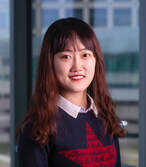
Yuqing Zhang, Ph.D.
I earned my PhD in 2021 at The University of Texas Southwestern Medical Center, where I studied the tumor immune microenvironment after anti-angiogenesis therapy and identified a unique population of myeloid cells. I joined the Barbie Lab in Dec 2021 and worked with Dr. Thanh Barbie on triple negative breast cancer (TNBC). My current research focus on investigating the regulation mechanisms of tumor STING and developing effective CAR-T therapy in TNBC.
I earned my PhD in 2021 at The University of Texas Southwestern Medical Center, where I studied the tumor immune microenvironment after anti-angiogenesis therapy and identified a unique population of myeloid cells. I joined the Barbie Lab in Dec 2021 and worked with Dr. Thanh Barbie on triple negative breast cancer (TNBC). My current research focus on investigating the regulation mechanisms of tumor STING and developing effective CAR-T therapy in TNBC.
Graduate Students
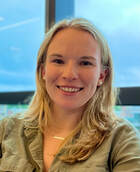
Caroline Fahey, B.S.
Caroline is a Ph.D. student in the Biological and Biomedical Sciences Ph.D. Program (BBS) at Harvard University and joined the Barbie Lab in 2022. She graduated magna cum laude from Boston College in 2019 with a B.S. in Biology. As an undergraduate intern, she worked in the lab of Dr. Kevin Haigis studying KRAS biology in colorectal cancer. After graduating, she joined the lab of Dr. Carla Kim at Boston Children's Hospital/Harvard Medical School Department of Genetics as a research assistant and studied the role of chromatin remodelers in lung tumorigenesis. Her current research focuses on improving CAR-T efficacy against solid tumors and investigating the role of innate immune signaling pathways in T cells. .
Caroline is a Ph.D. student in the Biological and Biomedical Sciences Ph.D. Program (BBS) at Harvard University and joined the Barbie Lab in 2022. She graduated magna cum laude from Boston College in 2019 with a B.S. in Biology. As an undergraduate intern, she worked in the lab of Dr. Kevin Haigis studying KRAS biology in colorectal cancer. After graduating, she joined the lab of Dr. Carla Kim at Boston Children's Hospital/Harvard Medical School Department of Genetics as a research assistant and studied the role of chromatin remodelers in lung tumorigenesis. Her current research focuses on improving CAR-T efficacy against solid tumors and investigating the role of innate immune signaling pathways in T cells. .
Lab Technicians
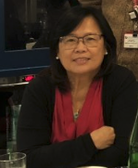
Tran Thai, B.S.
Tran is the Barbie Lab manager. She has overseen lab operations since its inception in 2010. Her technical expertise spans many cell and molecular biology/biochemistry techniques including cloning, PCR, and ELISA. In addition, Tran manages day-to-day lab operations and is a valued source of life and career advice.
Tran is the Barbie Lab manager. She has overseen lab operations since its inception in 2010. Her technical expertise spans many cell and molecular biology/biochemistry techniques including cloning, PCR, and ELISA. In addition, Tran manages day-to-day lab operations and is a valued source of life and career advice.
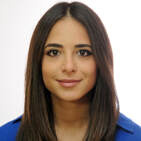
Carla Stornante, M.S.
Carla is a research technician in the Barbie Lab. She joined the lab in 2022 as graduate student to carry out her master’s thesis project focused on investigating antibody drug conjugates to target small cell lung cancer utilizing 3D in vitro models. She received her Bachelor’s and Master’s degrees in Biomedical Engineering from Politecnico di Torino in Italy, graduating magna cum laude. Currently, she is heavily involved as research technician in multiple projects centered around building biologically-relevant 3D tumor microenvironment models using microfluidic devices and implementing these systems to screen potential new therapeutics. Her research interests include elucidating important cell-cell interactions in the tumor microenvironment and finding new therapeutic options for lung cancer patients.
Carla is a research technician in the Barbie Lab. She joined the lab in 2022 as graduate student to carry out her master’s thesis project focused on investigating antibody drug conjugates to target small cell lung cancer utilizing 3D in vitro models. She received her Bachelor’s and Master’s degrees in Biomedical Engineering from Politecnico di Torino in Italy, graduating magna cum laude. Currently, she is heavily involved as research technician in multiple projects centered around building biologically-relevant 3D tumor microenvironment models using microfluidic devices and implementing these systems to screen potential new therapeutics. Her research interests include elucidating important cell-cell interactions in the tumor microenvironment and finding new therapeutic options for lung cancer patients.
Barbie Lab Alumni
Edmond Chan, MD / Assistant Professor, Columbia University
Zehua Zhu, PhD / Senior Scientist, BioReference Laboratories, Inc.
Shenghong Yang, PhD / Manager of Sales and Business Development ACRObiosystems
Hadrien Golay, MD / Assistant Physician in Fundamental Research, University of Geneva
Amir Aref, PhD / Research Scientist, Xsphera Biosciences
Rohit Thummapalli / Harvard Medical School Class of 2018
Shunsuke Kitajima, PhD / Assistant Professor, Cancer Institute Hospital of JFCR
Russell Jenkins, MD / Assistant Professor, MGH Cancer Center
Brandon Piel, BS / QC Analyst at Lonza
Israel Cañadas, PhD / Assistant Professor, Fox Chase Cancer Center
Hideki Terai, MD, PhD / Assistant Professor, Keio University
Saemi Han, BA / Medical Student, Seoul National University College of Medicine
Shriram Sundararaman / Resident in Internal Medicine, Beth Israel Deaconess Medical Center
Ryohei Yoshida, PhD / Assistant Professor, Asahikawa Medical University Hospital
Erik Knelson, MD, PhD / Principal Scientist, Merck Oncology
Kartik Sehgal, MD / Instructor in Medicine, Director of Thyroid Oncology, Dana-Farber Cancer Institute
Jessica Ritter, PhD / Scientist, Verseau Therapeutics
Tetsuo Tani, MD, PhD / Keio University School of Medicine and Saiseikai Central Hospital
Maria Saigi, MD / Medical Oncologist, Institut Catala d’Oncologia
Pieter Schol / Leiden University Medical Center
Minyue Chen / Harvard Medical School Immunology Masters Student
Sarah Shelton, PhD / Assistant Professor, University of North Carolina and North Carolina State University
Zehua Zhu, PhD / Senior Scientist, BioReference Laboratories, Inc.
Shenghong Yang, PhD / Manager of Sales and Business Development ACRObiosystems
Hadrien Golay, MD / Assistant Physician in Fundamental Research, University of Geneva
Amir Aref, PhD / Research Scientist, Xsphera Biosciences
Rohit Thummapalli / Harvard Medical School Class of 2018
Shunsuke Kitajima, PhD / Assistant Professor, Cancer Institute Hospital of JFCR
Russell Jenkins, MD / Assistant Professor, MGH Cancer Center
Brandon Piel, BS / QC Analyst at Lonza
Israel Cañadas, PhD / Assistant Professor, Fox Chase Cancer Center
Hideki Terai, MD, PhD / Assistant Professor, Keio University
Saemi Han, BA / Medical Student, Seoul National University College of Medicine
Shriram Sundararaman / Resident in Internal Medicine, Beth Israel Deaconess Medical Center
Ryohei Yoshida, PhD / Assistant Professor, Asahikawa Medical University Hospital
Erik Knelson, MD, PhD / Principal Scientist, Merck Oncology
Kartik Sehgal, MD / Instructor in Medicine, Director of Thyroid Oncology, Dana-Farber Cancer Institute
Jessica Ritter, PhD / Scientist, Verseau Therapeutics
Tetsuo Tani, MD, PhD / Keio University School of Medicine and Saiseikai Central Hospital
Maria Saigi, MD / Medical Oncologist, Institut Catala d’Oncologia
Pieter Schol / Leiden University Medical Center
Minyue Chen / Harvard Medical School Immunology Masters Student
Sarah Shelton, PhD / Assistant Professor, University of North Carolina and North Carolina State University